The American Reading Crisis: What the Data Says, Why It Hits Our Communities Hard, and How Next Generation John is Fighting Back
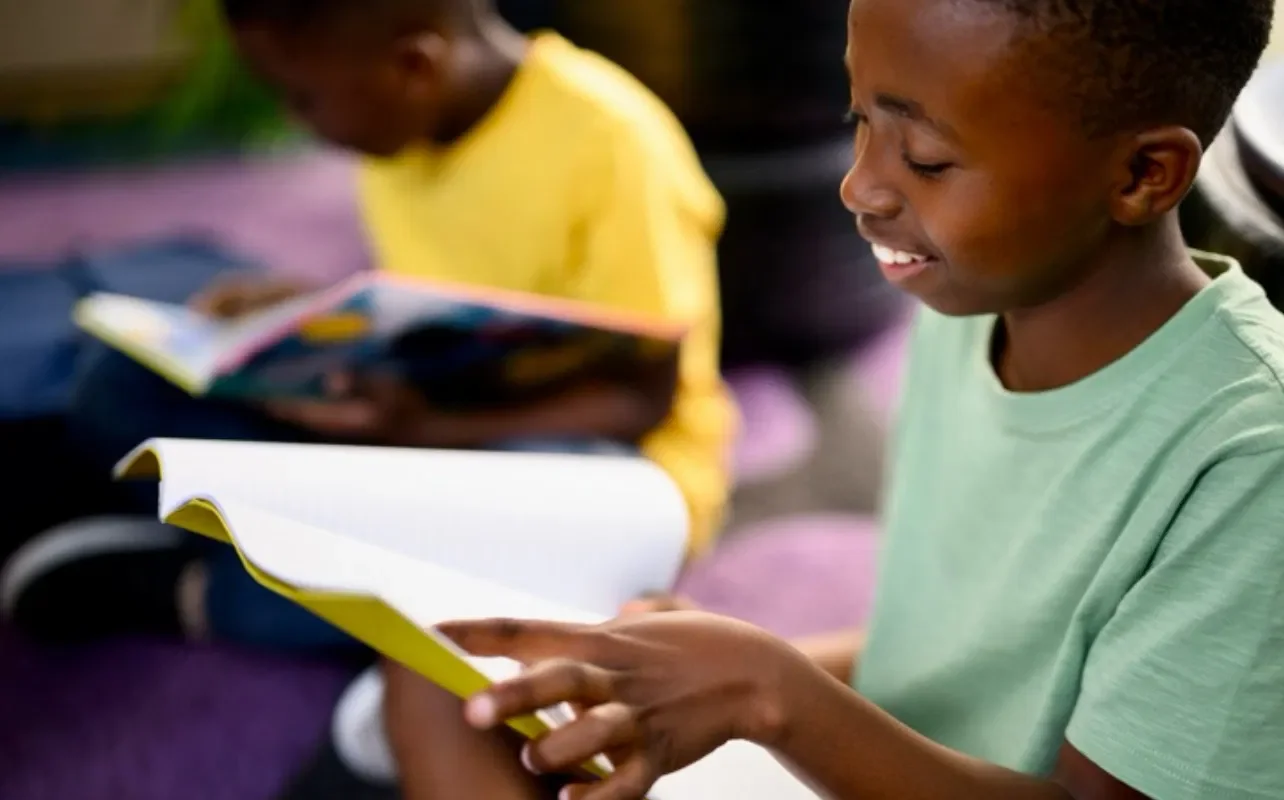
Reading is one of the most fundamental skills a child can develop. It is the gateway to education, opportunity, and lifelong learning. Yet across the United States, a growing body of research reveals a troubling reality, that millions of students are struggling to read at grade level.
Often referred to as the American reading crisis, declining literacy rates among K-12 students have become a major concern for educators, researchers, and community leaders alike. The consequences extend far beyond the classroom, affecting college readiness, workforce development, economic mobility, and even public health.
Understanding the scale of this problem, and how communities can respond, is essential if we are going to reverse this ongoing trend.
What the Data Says About Literacy In America
One of the most widely used measures of student learning in the United States is the National Assessment of Educational Progress (NAEP), often called the “Nation’s Report Card.” The latest results paint a sobering picture.
Recent NAEP data shows that fewer than one-third of students nationwide are proficient in reading, meaning they can consistently interpret and understand written text at their grade level. Among younger students, the numbers are even more concerning. In 2024, only 23% of fourth grade students were proficient, while about 69% scored at the basic level or below, indicating major gaps in reading comprehension and literacy skills.
Reading scores have also declined steadily in recent years, with national averages for both fourth and eighth grade student falling below previous levels, recorded before the pandemic. By the time students reach high school, the pattern often continues. Only about 35% of twelfth grade students demonstrate reading proficiency, leaving the other 65% unprepared for college-level work or complex career environments.
These numbers highlight a serious national challenge. Literacy is not just an academic issue, it is deeply connected to economic opportunity, civic engagement, and long-term community well-being.
The Long-Term Consequences of Low Literacy
Reading proficiency in early childhood strongly predicts future educational success. Students who struggle with reading by the end of the third grade are significantly more likely to experience academic challenges later in life.
Low literacy is also linked to broader societal outcomes. Research indicates that more than half of adults in the United States read below a sixth-grade level, limiting their ability to navigate everyday tasks such as completing job applications, understanding health information, or managing finances.
In fact, literacy challenges can affect the entire economy. Some estimates suggest that low literacy costs the U.S. economy trillions of dollars annually due to reduced productivity and workforce participation.
Because literacy shapes educational achievement, employment opportunities, and long-term financial stability, many experts argue that addressing literacy gaps is one of the most important investments a society can make.
Why the Reading Crisis Hits Some Communities Harder
Although the reading crisis affects students across the country, its impact is not evenly distributed. Students from underserved communities often face greater barriers to literacy development. Research has consistently documented significant reading gaps between students from low-income families and those from higher-income families.
Poverty plays a major role. Studies show that nearly 80% of individuals living in poverty read at lower literacy levels, demonstrating how economic inequality and educational outcomes are closely related.
Racial and ethnic disparities also appear in national assessments. For example, nearly half of Black and Hispanic fourth-grade students score below basic reading levels and these gaps between different groups of students are often linked to broad system factors.
Those include:
· Limited access to early childhood education
· Under resourced schools
· Fewer books and learning materials at home
· Higher teacher turnover in high poverty districts
· Reduced access to enrichment programs
In many cases, these barriers create cycles where literacy challenges persist across generations.
Cultural and Technological Shifts Affecting Literacy
Beyond structural inequalities, broader cultural changes are also shaping reading habits.
Studies show that reading for pleasure among young people has dropped significantly in recent years. One analysis found that daily reading for enjoyment has declined more than 40% over the past twenty years.
Increased screen time, social media consumption, and shifts in entertainment habits have reduced the amount of time many students spend engaging with long form text.
While digital tools can support learning, the decline in sustained reading may contribute to lower comprehension skills and reduced vocabulary development. Educators and literacy researchers increasingly emphasize the importance of creating environments where reading is not only accessible but encouraged as well.
Why Literacy is a Community Issue
The reading crisis is often discussed as an educational policy problem, but in reality, it is a community wide challenge.
Literacy is influenced by factors both inside and outside of the classroom. Family support, school and community resources, mentorship programs, and access to books all play a role in shaping reading development. Experts increasingly argue that solving the literacy challenges require community-based approaches, not just school reforms.
This is where organizations like Next Generation John are working to make a meaningful impact through community centered initiatives that will support literacy development in ways that extend beyond traditional classroom instruction.
Resources:
National Assessment of Educational Progress. (2024). The Nation’s Report Card: Reading results for grades 4 and 8. U.S. Department of Education.https://www.nationsreportcard.gov/reports/reading/2024/g4_8/
National Assessment of Educational Progress. (2024). The Nation’s Report Card: Grade 12 reading results. U.S. Department of Education.https://www.nationsreportcard.gov/reports/reading/2024/g12/national-trends/
National Literacy Institute. (2024). 2024–2025 literacy statistics.https://www.thenationalliteracyinstitute.com/2024-2025-literacy-statistics
University of Florida. (2025). Reading for pleasure declining among youth, study finds.https://news.ufl.edu/2025/08/reading-for-pleasure-study/
USAFacts. (2024). What percentage of students in the U.S. are proficient in reading?https://usafacts.org/answers/what-percentage-of-students-in-the-us-are-proficient-in-reading/