Telehealth and Chronic Disease Management: How Virtual Care is Transforming Long-Term Health
Research for post done by…
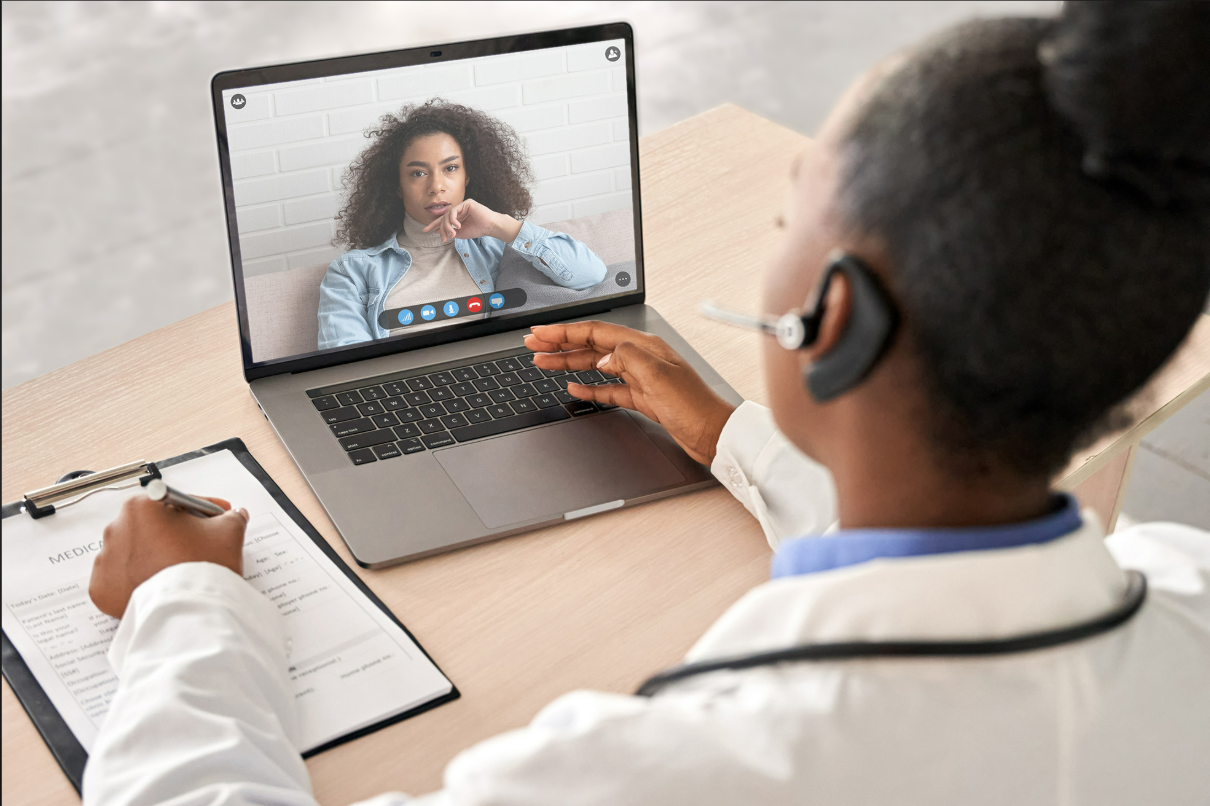
Telehealth has become one of the most transformative advancements in modern healthcare, especially for patients living with chronic conditions. While telemedicine existed before the COVID-19 pandemic, recent years have expanded virtual care dramatically and reshaped how patients access treatment, support, and specialists. Today, telehealth is not simply a convenient alternative. It is a powerful strategy for improving disease management, reducing barriers, and creating long-term health stability.
What Telehealth is and Why it Matters
The Health Resources and Services Administration defines telehealth as the use of digital communication technologies to provide healthcare remotely. This includes video visits, phone calls, secure messaging, patient portals, remote patient monitoring devices, and virtual education.
Telehealth gained significant momentum during the pandemic due to federal expansions that allowed audio-only visits, reimbursement parity, and greater flexibility for patients. Since then, virtual care has remained a consistent part of chronic disease treatment across the United States.
Why Telehealth Works for Chronic Disease Management
Chronic conditions require continuous monitoring, frequent adjustments, and sustained patient engagement. Telehealth supports these needs in several key ways.
Easier Access to Specialists
Patients with mobility challenges, limited transportation, or tight work schedules can stay engaged in care with fewer missed visits.
Fewer Barriers to Care
Patients with mobility challenges, limited transportation, or tight work schedules can stay engaged in care with fewer missed visits through telehealth.
Better Monitoring With Digital Tools
Remote health devices help track important indicators between visits. Examples include:
Continuous glucose monitors
Home blood pressure cuffs
Remote spirometry
Digital scales for heart failure
More Frequent Follow-Up
Short virtual check-ins help patients adjust medications, review symptoms, and stay accountable.
Higher Patient Satisfaction
Research shows that virtual care improves convenience and communication and often reduces anxiety around long clinic visits.
How Telehealth Supports Specific Chronic Conditions
Diabetes
Virtual coaching and glucose monitoring improve A1c levels and encourage better self-management.
Hypertension
Patients using remote blood pressure monitors with telehealth support achieve better control than those receiving routine in-person care only.
Congestive Heart Failure
Daily monitoring of weight and symptoms prevents hospital readmissions.
Asthma and COPD
Telehealth supports inhaler technique training, monitoring, and rapid treatment adjustments during flare-ups.
Chronic Kidney Disease
Patients receive more consistent nutritional counseling and pre-dialysis education through telehealth services.
Chronic Pain
Virtual pain management programs offer cognitive behavioral strategies and medication reviews with high patient satisfaction.
Telehealth and Health Equity
Telehealth has strong potential to improve equity by connecting patients in rural or underserved areas with specialists who are not available locally. However, disparities remain. Limited broadband, low digital literacy, and outdated devices restrict access for some populations.
Strengthening digital infrastructure and providing community training will be essential to ensuring that telehealth benefits all patients, not only those with technology access.
The Future of Telehealth
Telehealth is expected to remain a core part of chronic disease care. Hybrid care models that blend in-person and virtual visits are becoming the new standard.
Future priorities include:
Expanding broadband in rural regions
Strengthening insurance reimbursement
Improving provider training
Integrating remote monitoring into routine care
Offering patient education through libraries and community centers
These steps will help telehealth become more equitable, more effective, and more widely adopted.
Telehealth is transforming how people manage chronic diseases. By increasing access to specialists, supporting frequent follow-ups, and using digital tools for real-time monitoring, telehealth creates a more patient-centered approach to long-term health.
With improvements to technology and policy, telehealth has the potential to reduce disparities, empower patients, and strengthen chronic disease outcomes nationwide.
Resources:
American Medical Association. (n.d.). CARES Act and AMA COVID-19 pandemic telehealth fact sheet. https://www.ama-assn.org/health-care-advocacy/federal-advocacy/cares-act-ama-covid-19-pandemic-telehealth-fact-sheet
Centers for Medicare & Medicaid Services. (2020). Medicare telemedicine health care provider fact sheet. https://www.cms.gov/newsroom/fact-sheets/medicare-telemedicine-health-care-provider-fact-sheet
Health Resources and Services Administration. (n.d.). What is telehealth? https://www.hrsa.gov/telehealth/what-is-telehealth
Kichloo, A., Albosta, M., Dettloff, K., Wani, F., El-Amir, Z., Singh, J., Aljadah, M., Chakinala, R. C., Kanugula, A. K., Solanki, S., & Chugh, S. (2020). Telemedicine, the current COVID-19 pandemic and the future. Family Medicine and Community Health, 8(3), e000530.
Nguyen, P. T., et al. (2025). Digital health equity. Digital Health, 11(1), 100145.
Office for the Advancement of Telehealth. (n.d.). Telehealth for chronic conditions: Getting started. https://telehealth.hhs.gov/providers/best-practice-guides/telehealth-for-chronic-conditions/getting-started
Sharma, A., & Patel, V. (2024). Advances in telemedicine for chronic disease management. Healthcare Analytics, 5(1), 100234.
World Health Organization. (2021). Telehealth and telemedicine. NCBI Bookshelf.
Zhou, X., et al. (2021). Telehealth in the context of COVID-19. Journal of Medical Internet Research, 23(6), e26499.